 12-14 yrs
do something difficult, it's worth it
Kedarkantha
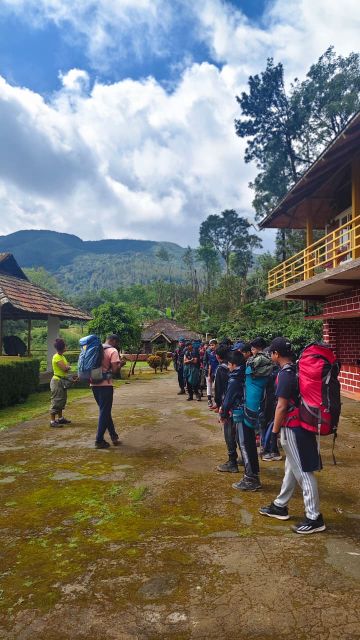
Set in the snow-covered landscapes of Kedarkantha in the Himalayas, this expedition is a high-altitude winter adventure designed to build resilience, endurance, and self-reliance. From acclimatisation treks to a summit climb at 12,500 feet, participants navigate challenging terrain while learning essential snow and survival skills. Blending physical challenge with teamwork and expedition living, the program pushes participants to grow mentally and physically within a safe and well-supported environment.
Eligibility
14-17 years
olds
Season
March to July
Location
Accommodation
Tents
Duration
10 Days
Travel
Luxury AC bus
instructor to child ratio
1:6
on each program
female instructors
instructors trained in
wilderness medicine

Climb the Cold
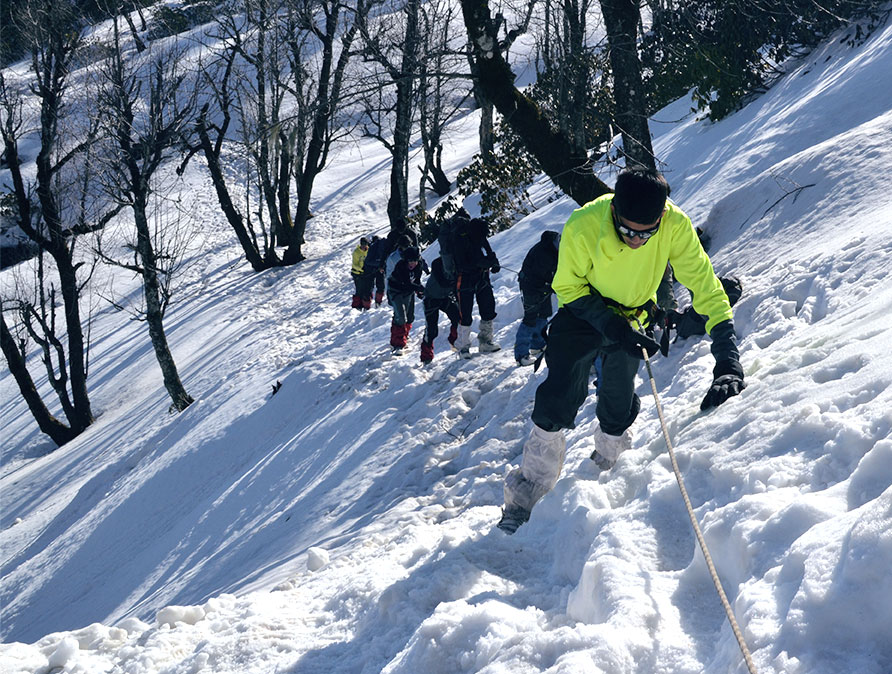
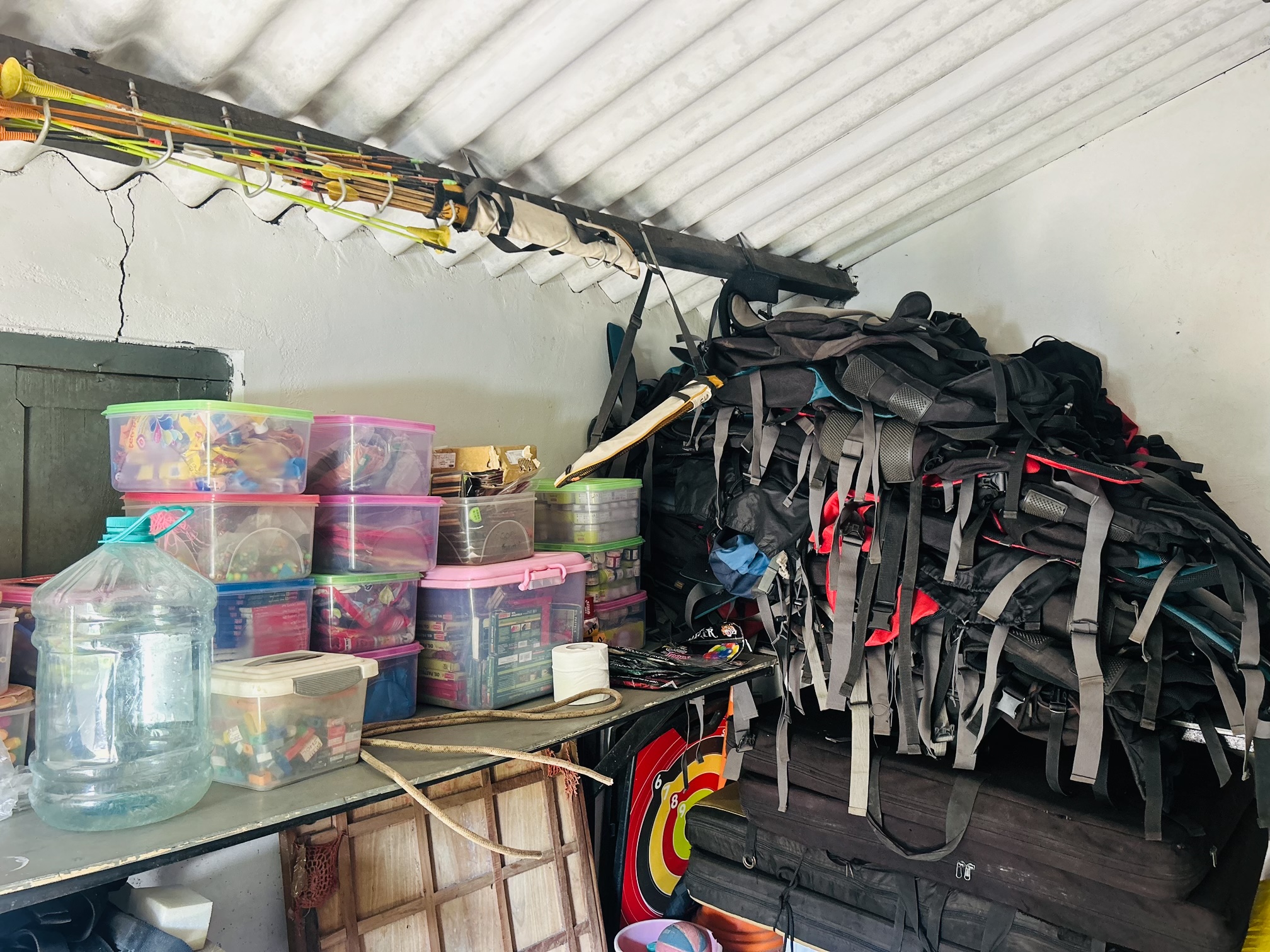
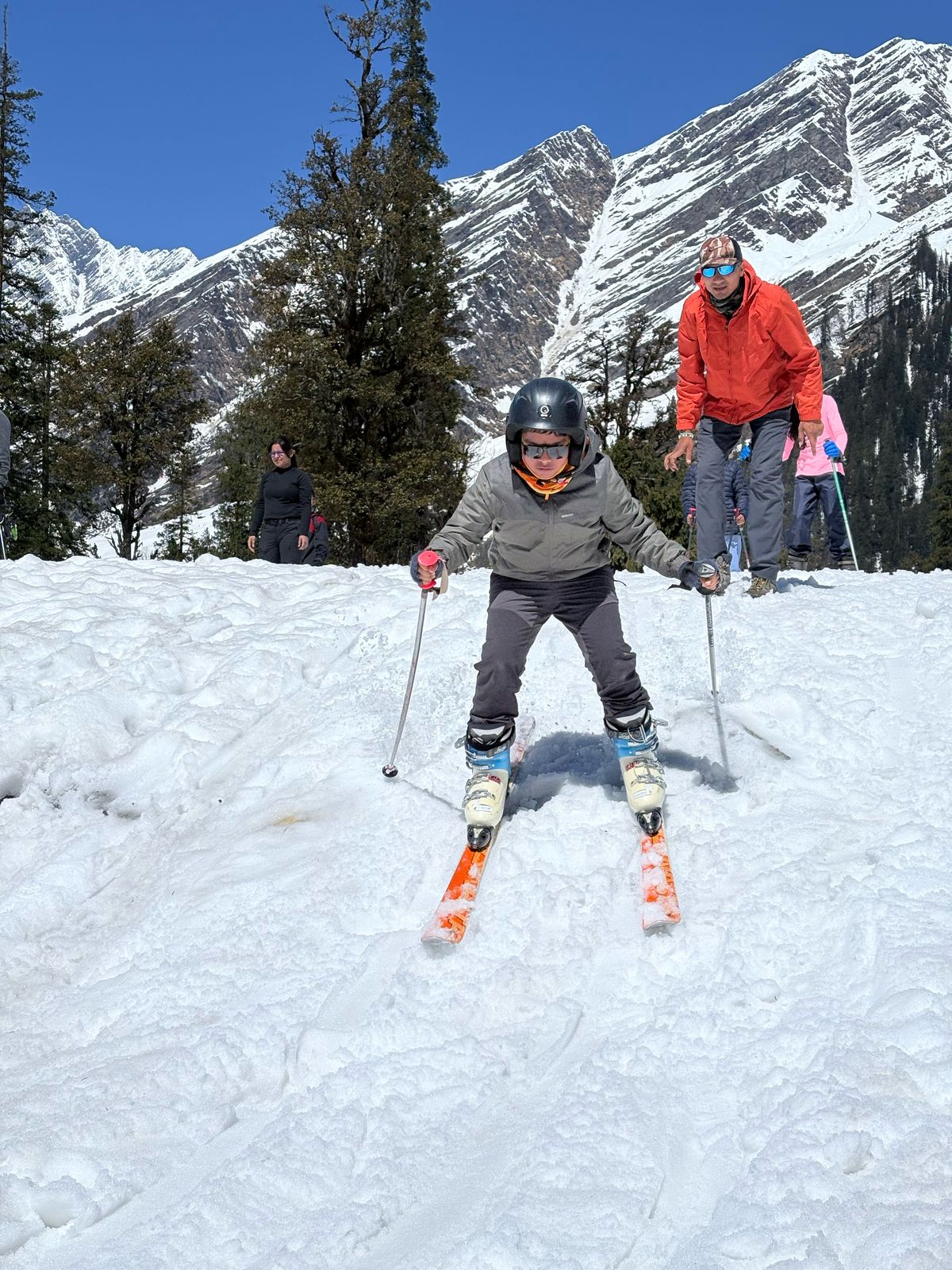
The Kedarkantha Snow Expedition is a ten-day winter high-altitude adventure beginning from Camp Tons. After acclimatisation trekking, expedition preparation, and an evening bonfire, the group ascends through snow-covered meadows, deodar forests, and base camp at 12,000 feet before the early morning summit push to 12,500 feet. Essential winter skills including snow trekking, self-rescue, and route creation are taught throughout. Base camp days include rifle shooting and archery alongside the demands of high-altitude living.
Safety & Care
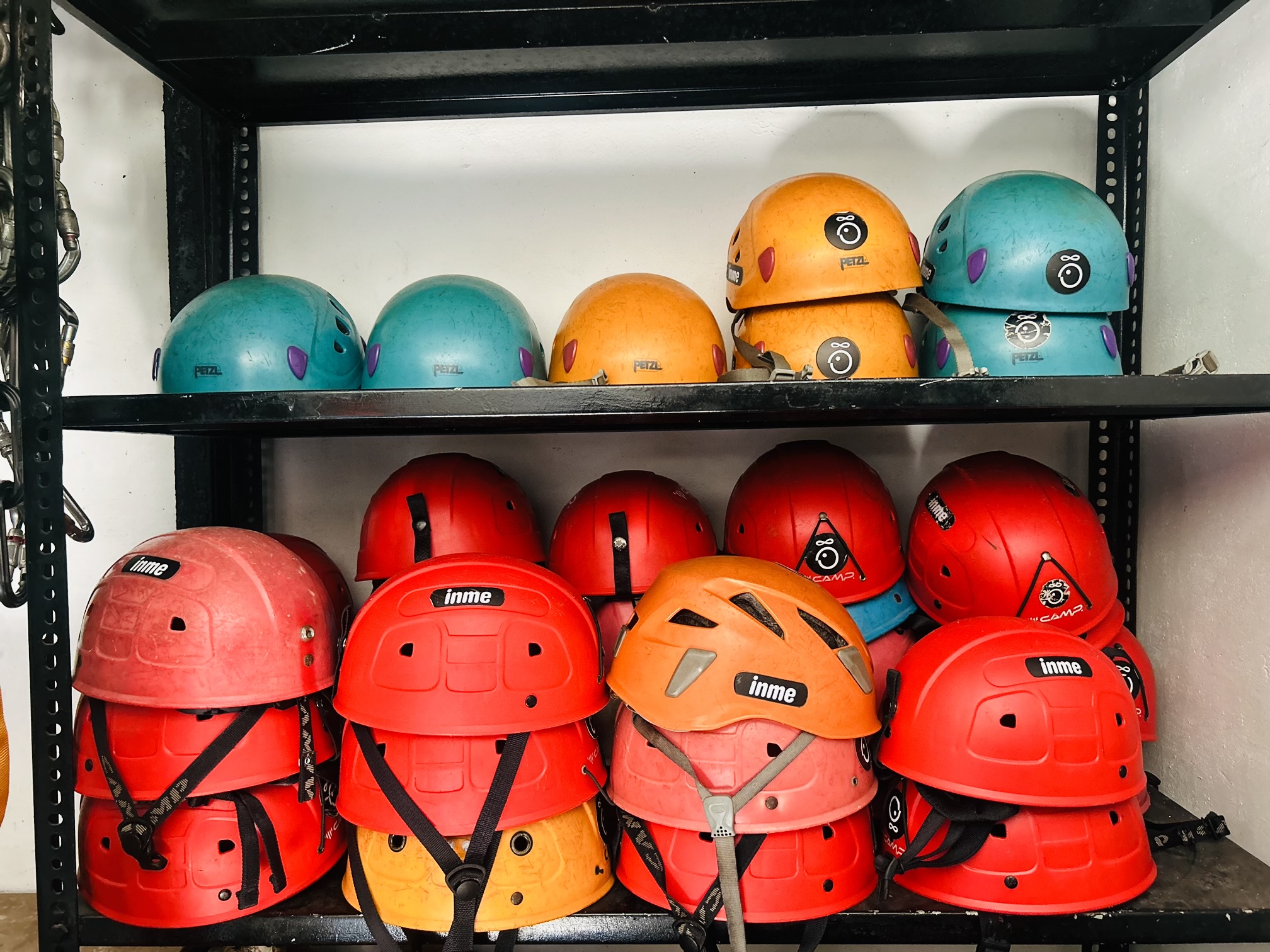
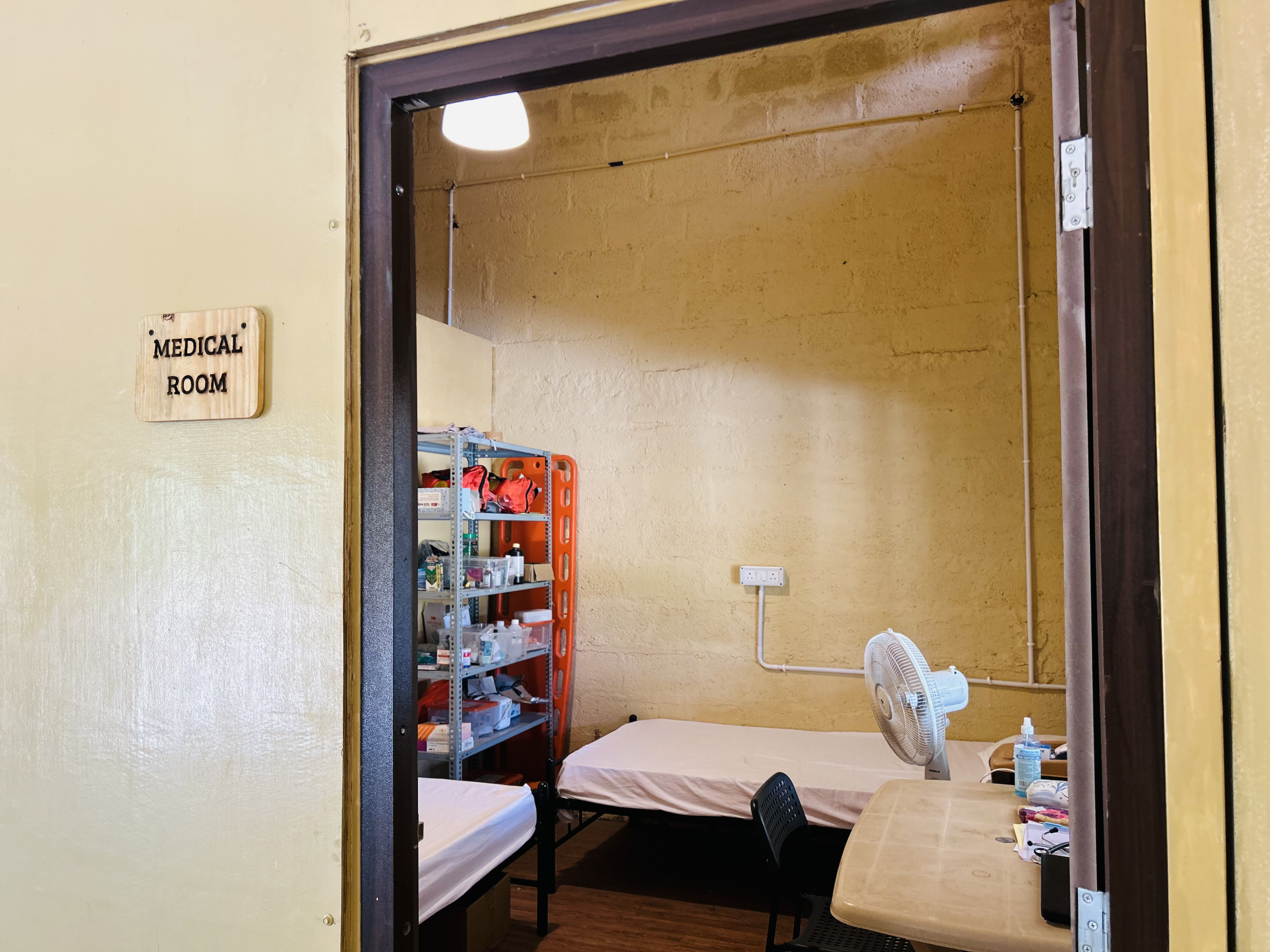
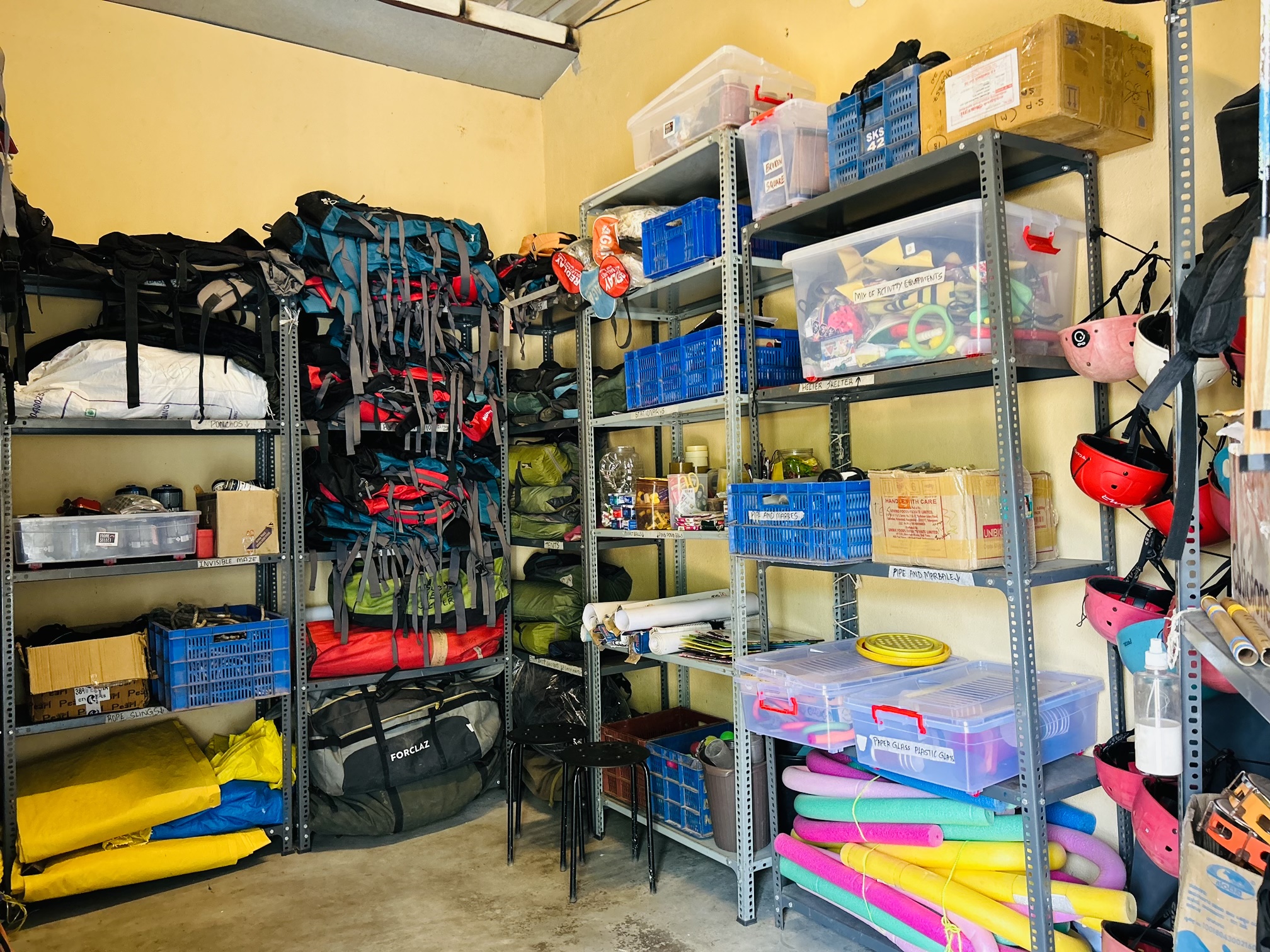
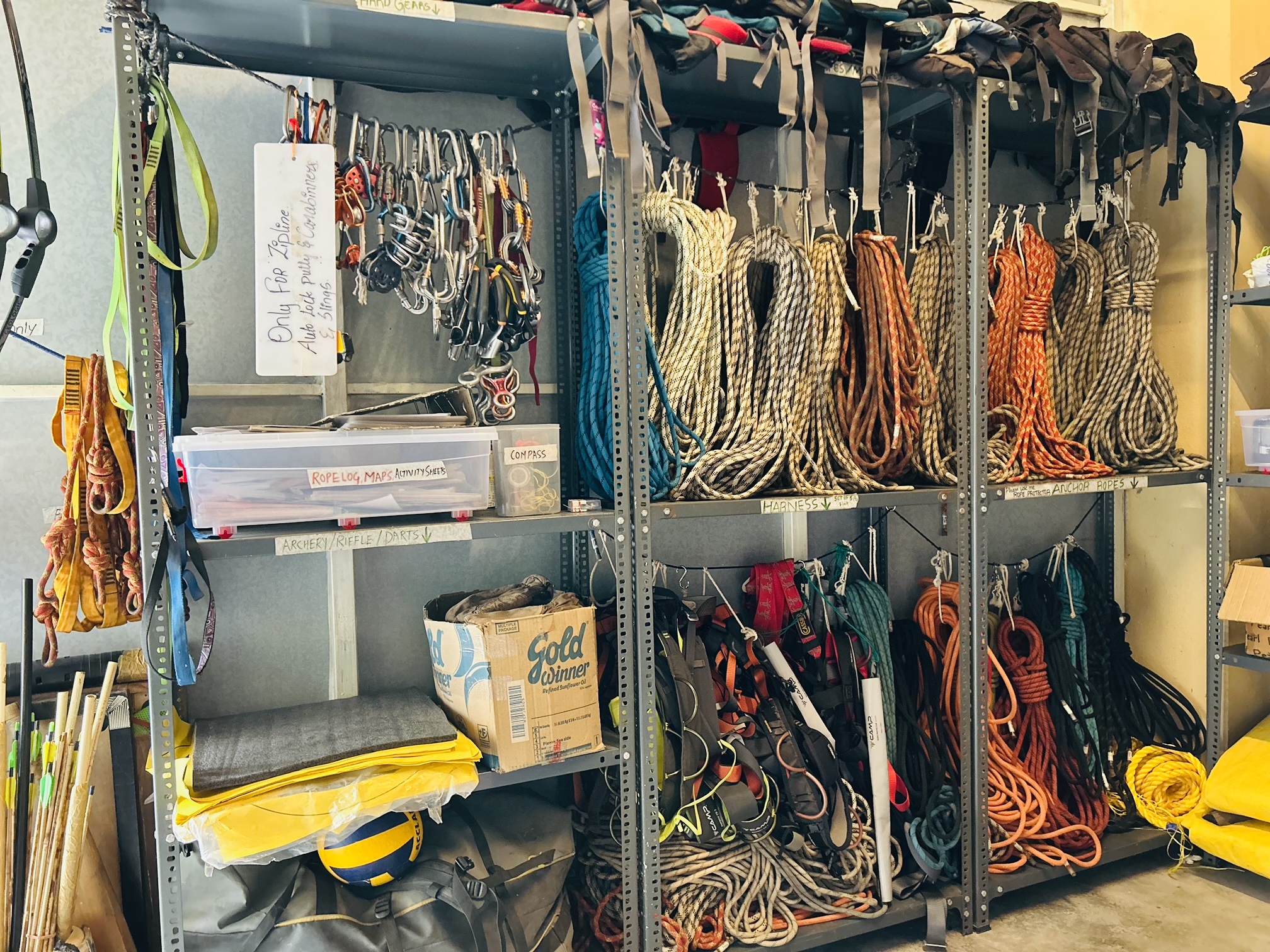
The group is accompanied by a dedicated Expedition Leader, trained instructors certified through NOLS, NIM, JIM, and HMI, and a Wilderness First Responder. A 1:6 adult-to-participant ratio is maintained. Equipment including high-altitude sleeping bags, insulated mattresses, and rucksacks meets international standards. The Tons camp maintains constant contact with the expedition, with support reachable within two hours of base camp. An emergency vehicle is on standby, with the nearest hospital 40 kilometres away in Purola.
On the Go
On the Tons camp, participants stay in shared tents with built-up washrooms, with boys and girls in separate areas. During the expedition, participants pitch tents at each new location daily, with toilet tents for privacy. Shower facilities are unavailable on expedition days, adding to the authentic winter mountain experience. After the summit, participants return to fixed tents and built-up bathrooms on camp for proper rest and recovery.
Fueled for Adventure
On the expedition, participants carry rations, plan meals, and cook together as a team, building resource management and self-reliance. A nutritional trail mix is regularly replenished during trekking. Back on camp, wholesome vegetarian and non-vegetarian meals are served, with Jain food on request, alongside regular snacks, seasonal fruits, and refreshments. Participants wash their own dishes throughout, reinforcing responsibility and mindful habits.
Travel Details
Travel begins at Terminal 1, Delhi Airport at 6:00 PM, with a reporting time of 5:00 PM, arriving at camp in time for breakfast. The return reaches Delhi Airport at 6:00 AM. The 505-kilometre journey takes around 14 hours via Solan in Himachal Pradesh. Participants travel by AC Volvo or Benz bus, transferring to non-AC MUVs for the final 50 kilometres to camp. Families should book refundable or cancellable flights and confirm timings with the Inme team.
Explore other 12-17 Age Group Camp
More camps in this range — swipe or use arrows when there are several.
12-14 yrs

_(9).webp)
_(19).webp)
 14-17 yrs
.png)
_(16).webp)
Frequently Asked Questions
The trek requires a good level of basic fitness, as children walk for several hours over multiple days. It is suitable for fit beginners, and the program is designed with gradual progression, acclimatisation, and regular breaks to help children complete the trek comfortably.
The itinerary is planned with gradual altitude gain and acclimatisation days, allowing the body to adjust naturally. Instructors monitor children closely for any symptoms, ensure proper hydration, nutrition, and pacing, and take necessary precautions to prevent altitude-related issues.
Participants stay in shared tents set up at each campsite along the route, under full supervision of the team. Separate sleeping and washroom areas are provided for boys and girls, and toilet tents are set up at every campsite to ensure basic hygiene in remote conditions.